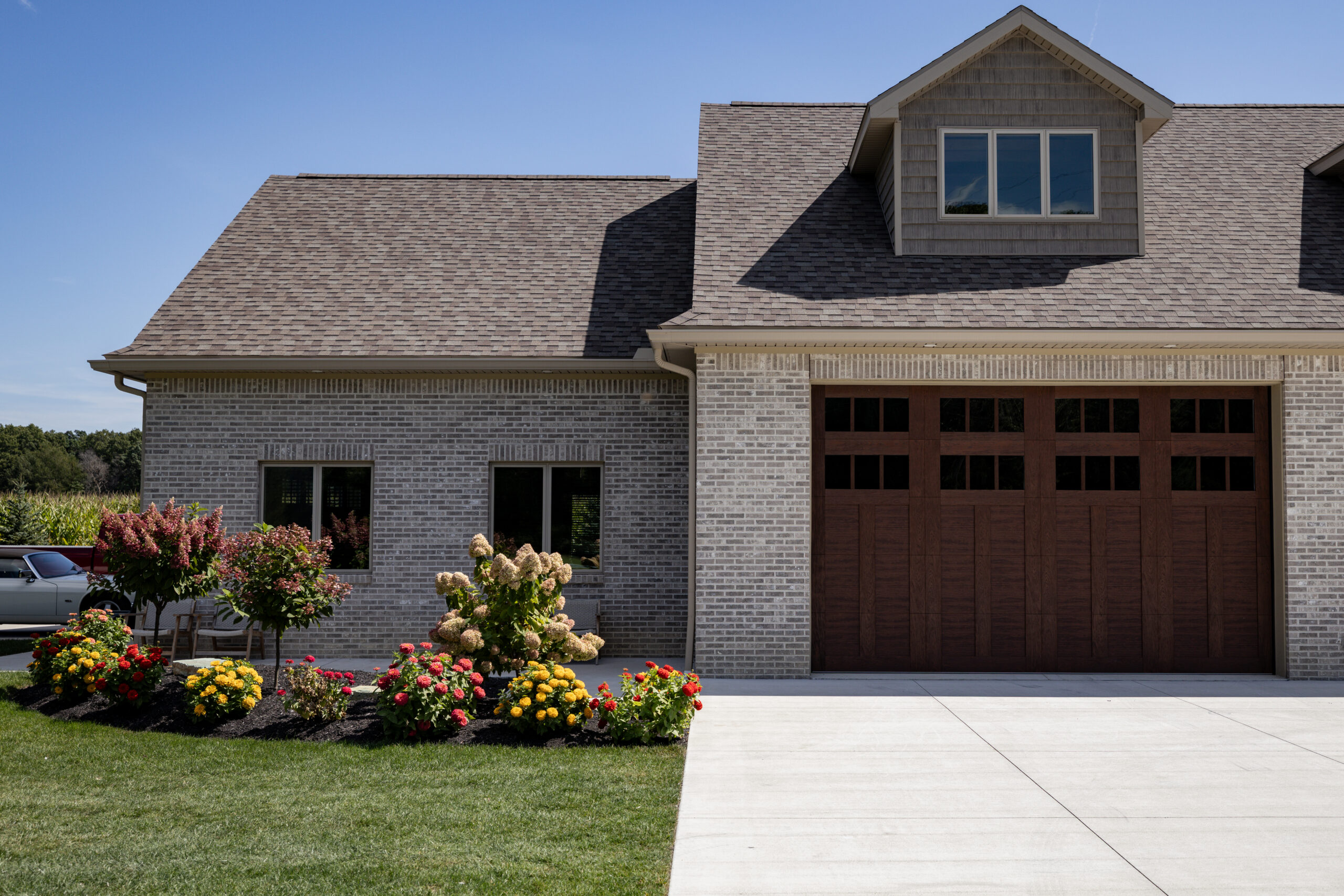


Learning how to paint a garage door is a simple yet powerful way to refresh your home’s curb appeal in a single weekend. Whether your door has faded from years of sun exposure, developed rust spots, or simply no longer matches your home’s exterior, a fresh coat of paint can make it look brand new. With the right preparation and technique, you can achieve professional-looking results without hiring a pro.
- Curb appeal: A freshly painted garage door instantly enhances your home’s exterior.
- Protection: Paint shields the door against rust, moisture, and weather damage.
- Affordability: Painting is a cost-effective alternative to replacing your door.
Why Does Painting Your Garage Door Matter?
Painting your garage door matters because it improves both appearance and durability on the largest single feature of your home’s façade. When the door looks faded, chipped, or rusty, the entire property looks neglected, but a fresh finish makes the whole exterior feel cared for. Beyond looks, paint forms a protective barrier that extends the life of the door.
How Does Paint Extend the Life of the Door?
A quality coat of paint extends the life of a garage door by sealing the surface against the elements that cause wear. Paint protects metal, wood, and composite doors from UV rays, rain, and snow, preventing the corrosion, cracks, and warping that shorten a door’s lifespan. Repainting every few years keeps that protective seal intact and your door looking its best. This guide on steel garage doors explains how protective finishes and routine maintenance maximize durability over time.
- UV protection: Paint shields the surface from sun damage and fading.
- Moisture barrier: A sealed surface prevents rust and rot.
- Prevents warping: Protection reduces cracking and warping over time.
- Routine renewal: Repainting every few years keeps the seal effective.
How Does a Painted Garage Door Boost Home Value?
A freshly painted garage door boosts home value by improving the curb appeal that shapes buyers’ first impressions. Because the garage door occupies such a large, visible portion of your home’s front, an updated exterior can make your home more appealing in a competitive market. It is one of the fastest, most affordable upgrades you can make before selling. A polished, well-maintained door signals to buyers that the whole home has been cared for.
- First impressions: The door is one of the first things buyers notice.
- Affordable upgrade: Painting costs far less than most exterior updates.
- Market appeal: A fresh door helps your home stand out to buyers.
- Signals care: A maintained door suggests a well-kept home overall.
Supplies You Need to Paint a Garage Door

You need exterior-grade paint, primer, quality brushes and rollers, and basic prep materials to paint a garage door properly. Gathering everything before you start keeps the process smooth and helps you avoid interruptions mid-coat. The checklist below covers everything required for a professional finish.
- Exterior-grade paint: Choose acrylic latex or oil-based paint for durability.
- Primer: Essential for bare metal or wood surfaces.
- Brushes and rollers: High-quality brushes for edges, rollers for panels.
- Painter’s tape and drop cloths: To protect trim, windows, hardware, and your driveway.
- Sandpaper and wire brush: For smoothing rough areas and removing rust.
- Cleaning and safety supplies: Mild detergent, sponge, hose, gloves, goggles, and a mask.
8 Steps to Paint a Garage Door for a Pro-Level Finish
These eight steps take you from a dirty, faded door to a smooth, professional finish. Work through them in order, since proper preparation is what separates an amateur result from a pro-level one. Take your time on the prep steps, and the painting itself will go quickly.
1. Clean the Surface
Start by washing the entire door with mild detergent and water to remove dirt, grease, and grime. Any residue left on the surface will keep paint from adhering properly, leading to peeling down the road. Rinse the door thoroughly with a hose and let it dry completely before moving on. A clean, dry surface is the foundation of a lasting finish.
- Wash thoroughly: Use mild detergent to cut through dirt and grease.
- Rinse well: Remove all soap residue with a hose.
- Dry completely: Let the door dry fully before painting.
- Why it matters: Clean surfaces let paint bond properly.
2. Remove Rust and Flaking Paint
Next, use sandpaper or a wire brush to smooth away rust, flaking paint, and rough spots. Old, loose paint and corrosion prevent new paint from bonding and will telegraph through the fresh coat. Sand until the surface feels smooth and even to the touch, paying extra attention to rusted areas on metal doors. Wipe away the dust before priming or painting.
- Sand rough areas: Smooth flaking paint and rough patches.
- Target rust: Remove corrosion from metal doors with a wire brush.
- Feel for smoothness: The surface should be even to the touch.
- Wipe clean: Clear away sanding dust before the next step.
3. Protect Surrounding Areas
Apply painter’s tape around the trim, handles, windows, and any hardware you do not want painted. Lay drop cloths along the base of the door to shield your driveway and nearby surfaces from drips. Careful masking now saves you from tedious cleanup and touch-ups later. Take a few extra minutes here for crisp, clean edges.
- Tape the edges: Mask trim, handles, and windows.
- Cover the ground: Lay drop cloths to catch drips.
- Protect hardware: Shield anything you don’t want painted.
- Aim for clean lines: Careful taping creates sharp edges.
4. Apply Primer if Needed
Bare metal or wood doors need a coat of primer for proper adhesion and long-term durability. Primer creates a surface the paint can grip and helps block stains and rust from bleeding through. Choose a primer suited to your door’s material and let it dry fully according to the label. Previously painted doors in good condition may not need primer, but bare spots always do.
- Prime bare surfaces: Metal and wood need primer for adhesion.
- Block bleed-through: Primer stops rust and stains from showing.
- Match the material: Use a primer made for your door type.
- Let it cure: Allow the primer to dry fully before painting.
5. Stir and Prepare the Paint

Stir the paint thoroughly to ensure an even, consistent color before you begin. Settled pigments can cause color variation if you skip this step, so mix well and re-stir periodically as you work. Pour the paint into a tray for easy roller loading and brush access. Having your paint properly mixed and ready keeps your application smooth and uniform.
- Stir thoroughly: Mix to blend settled pigments evenly.
- Re-stir as you go: Keep the color consistent throughout.
- Use a tray: Pour paint into a tray for easy application.
- Prep fully: Ready your paint before touching the door.
6. Paint the Recessed Panels First
Begin painting with the recessed panels and detailed areas, using a brush for precision. Painting the details first lets you work outward to the flat sections without missing grooves or leaving thick buildup in corners. Use smooth, even strokes and avoid overloading the brush. This order gives you the cleanest, most professional-looking coverage.
- Start with details: Brush the recessed panels and grooves first.
- Work the edges: Cover corners the roller can’t reach.
- Use even strokes: Apply smooth, controlled brushwork.
- Don’t overload: A lightly loaded brush prevents buildup.
7. Roll the Larger Sections
Once the panels are done, use a roller to apply paint evenly across the flat sections, working from top to bottom. Rolling the large areas gives a smooth, uniform finish far faster than a brush. Overlap each pass slightly to avoid visible lines, and keep a wet edge to prevent lap marks. Consistent, even pressure produces that professional look.
- Roll flat areas: Cover large sections quickly and evenly.
- Work top to bottom: This direction catches drips as you go.
- Overlap passes: Blend strokes to avoid visible lines.
- Keep a wet edge: Prevent lap marks with continuous coverage.
8. Allow to Dry and Apply a Second Coat
Let the first coat dry completely, then apply a second coat for even, durable coverage. Most garage doors need at least two coats to look their best and hold up over time. Check the paint label for the recommended drying time between coats, and resist the urge to rush. A patient second coat is what delivers a truly pro-level finish.
- Let it dry fully: Follow the label’s drying time before recoating.
- Apply two coats: Most doors need at least two for even coverage.
- Don’t rush: Rushing the second coat ruins the finish.
- Inspect the result: Touch up any thin or missed spots.

The Best Tips for Painting a Garage Door
The best tips for painting a garage door come down to timing, technique, and quality materials. These simple practices help you avoid the most common pitfalls and achieve a finish that lasts for years. Keep them in mind before and during your paint job.
- Pick the right day: Choose mild weather, ideally 50 to 80°F, with no rain or high wind.
- Work in the shade: Direct sun dries paint too fast and causes streaks.
- Don’t rush coats: Let each coat dry fully before applying the next.
- Choose quality paint: Durable exterior paint reduces the need for touch-ups.
- Test the color first: Paint a small section to confirm it suits your home’s exterior.
What Common Mistakes Should You Avoid?
The most common garage door painting mistakes are skipping prep, neglecting primer, and painting in poor conditions. Small errors during the process can ruin an otherwise good finish, so knowing them in advance helps you sidestep them. Learning how and when to apply garage door lubricant also helps prevent noisy operation and wear once your paint job is complete.
- Skipping cleaning: Dirt and grease keep paint from sticking.
- Neglecting primer: Bare surfaces without primer peel and chip quickly.
- Using cheap tools: Low-quality brushes and rollers leave streaks.
- Painting in bad weather: Humidity and extreme temperatures cause bubbling.
- Overloading paint: Too much paint at once leads to drips and uneven drying.
How Long Does a Painted Garage Door Last?
A properly painted garage door lasts about five to seven years before it needs another coat. Climate, sun exposure, and paint quality all affect how long the finish holds up, so doors in sunny or coastal areas may need repainting sooner. Regular cleaning and occasional touch-ups can stretch the life of your paint job even further. Using premium exterior paint from the start pays off in fewer repaints over time.
- Typical lifespan: Expect five to seven years between coats.
- Climate matters: Harsh sun and coastal air shorten paint life.
- Maintain it: Cleaning and touch-ups extend the finish.
- Quality pays off: Premium paint lasts longer.
Should You Paint It Yourself or Hire a Professional?
Whether to paint yourself or hire a professional depends on your time, experience, and comfort working on ladders. Many homeowners can achieve great results with patience and attention to detail, but a professional guarantees even application and proper prep. Consider both options before deciding.
When Is DIY Painting the Right Choice?
DIY painting is the right choice when you have the time, patience, and some painting experience. It is budget-friendly and satisfying, and it lets you work at your own pace over a weekend. If you are comfortable on a ladder and willing to handle careful prep work, you can achieve professional-looking results. The main investment is your time and attention to detail.
- Budget-friendly: DIY saves on labor costs.
- Rewarding: Many homeowners enjoy the process.
- Requires patience: Good results depend on careful prep.
- Ladder comfort: You should be at ease working at height.
When Should You Hire a Professional?
You should hire a professional when your door is large, textured, hard to reach, or you simply want guaranteed results. Professionals ensure even application, proper preparation, and long-lasting finishes while saving you time. Though it costs more, professional service often pays off in quality and durability. Homeowners looking for expert help can rely on trusted garage door repair services in Monroe County, MI for proper prep and even application.
- Difficult doors: Large or textured doors are harder to paint well.
- Guaranteed results: Pros deliver even, durable finishes.
- Saves time: Professional work is faster and cleaner.
- Expert prep: Proper preparation prevents future problems.
When Should You Replace Instead of Paint?
You should consider replacing your garage door instead of painting when it has structural damage that paint cannot fix. A fresh coat refreshes appearance, but it will not repair rust-through, rot, or failing insulation. Homeowners can consult experienced technicians offering garage door repair services in Wauseon, OH to assess damage and recommend the most cost-effective path.
The numbers often favor replacement when a door is near the end of its life. According to Zonda’s 2025 Cost vs. Value Report, garage door replacement returned about 268% of its cost at resale, the highest return of any of the 28 home improvement projects studied, thanks in part to the fact that a garage door can make up as much as a third of a home’s visible façade. If your door is failing, that return can make replacement the smarter investment over another paint job.
- Severe rust or rot: Corroded metal or rotting wood calls for replacement.
- Repeated peeling: A door that won’t hold paint may be beyond repair.
- Outdated design: Paint can’t modernize a style that no longer fits your home.
- Poor insulation: A new insulated door is the smarter upgrade for efficiency.

Frequently Asked Questions About Painting a Garage Door
Below are quick answers to the questions homeowners ask most about painting a garage door. Each response leads with the direct answer so you can find what you need fast.
What Kind of Paint Should I Use on a Garage Door?
Use a high-quality exterior-grade paint, either acrylic latex or oil-based, for the best durability on a garage door. Acrylic latex is the most popular choice because it resists fading and weather while being easy to work with. For bare metal or wood, always apply an exterior primer first for proper adhesion.
Do I Need to Prime a Garage Door Before Painting?
You need to prime a garage door if it has bare metal, bare wood, or spots where old paint has been removed. Primer helps the paint adhere and blocks rust and stains from bleeding through. A previously painted door in good condition may not need a full primer coat, but bare areas always do.
Can I Paint My Garage Door Without Removing It?
Yes, you can and should paint your garage door in place without removing it. Simply open or close it as needed to reach all areas, and work in mild, dry weather. Painting it on the hinges is far easier and safer than attempting to detach the heavy door.
How Long Should Paint Dry Between Coats?
Most exterior paints need about two to four hours of drying time between coats, though this varies by product and weather. Always check the paint can’s label for the recommended recoat time. Humid or cool conditions extend drying time, so allow extra when needed.
What Temperature Is Best for Painting a Garage Door?
The best temperature for painting a garage door is between 50 and 80°F with low humidity and no rain in the forecast. Painting in these conditions helps the paint cure evenly without bubbling or streaking. Avoid direct sun, which dries paint too quickly and can leave marks.
How Much Does It Cost to Paint a Garage Door?
Painting a garage door yourself typically costs $50 to $150 in paint and supplies, while hiring a professional usually runs $200 to $500 depending on the door’s size and condition. Painting is far cheaper than a full replacement. For a door with structural damage, though, replacement may be the more cost-effective long-term choice.
Refresh Your Home With Quality Overhead Door
Learning how to paint a garage door gives homeowners an affordable way to boost curb appeal and protect their investment, and by following the right steps of cleaning, priming, and applying multiple coats, you can achieve a fresh, polished look that lasts for years. When painting is not enough, though, Quality Overhead Door is here to help, and as a family-owned business serving Northwest Ohio and Southeast Michigan since 1982, we provide reliable garage door repair services in Petersburg, MI to keep your door operating safely, efficiently, and looking its best. Whether you decide to paint or replace, our team offers professional installation, maintenance, and replacement services to ensure your garage door always performs at its best. Contact us today to explore your options and keep your home looking sharp and protected.