
Storm door installation cost averages around $435 nationally, with most homeowners paying between roughly $187 and $684 for materials and labor combined. Where your price lands depends on the door type, material, glass, and several other factors that can push the total from about $100 for a basic DIY kit to well over $1,800 for a customized door. This guide breaks down the eight pricing factors that shape your cost so you can budget with confidence.
- Average cost: Most storm door installations run about $187 to $684, or roughly $435 on average.
- Many variables: Door type, material, and glass choices drive most of the price.
- Plan ahead: Knowing the cost factors helps you avoid budget surprises.
What a Storm Door Is and Why It Costs What It Does

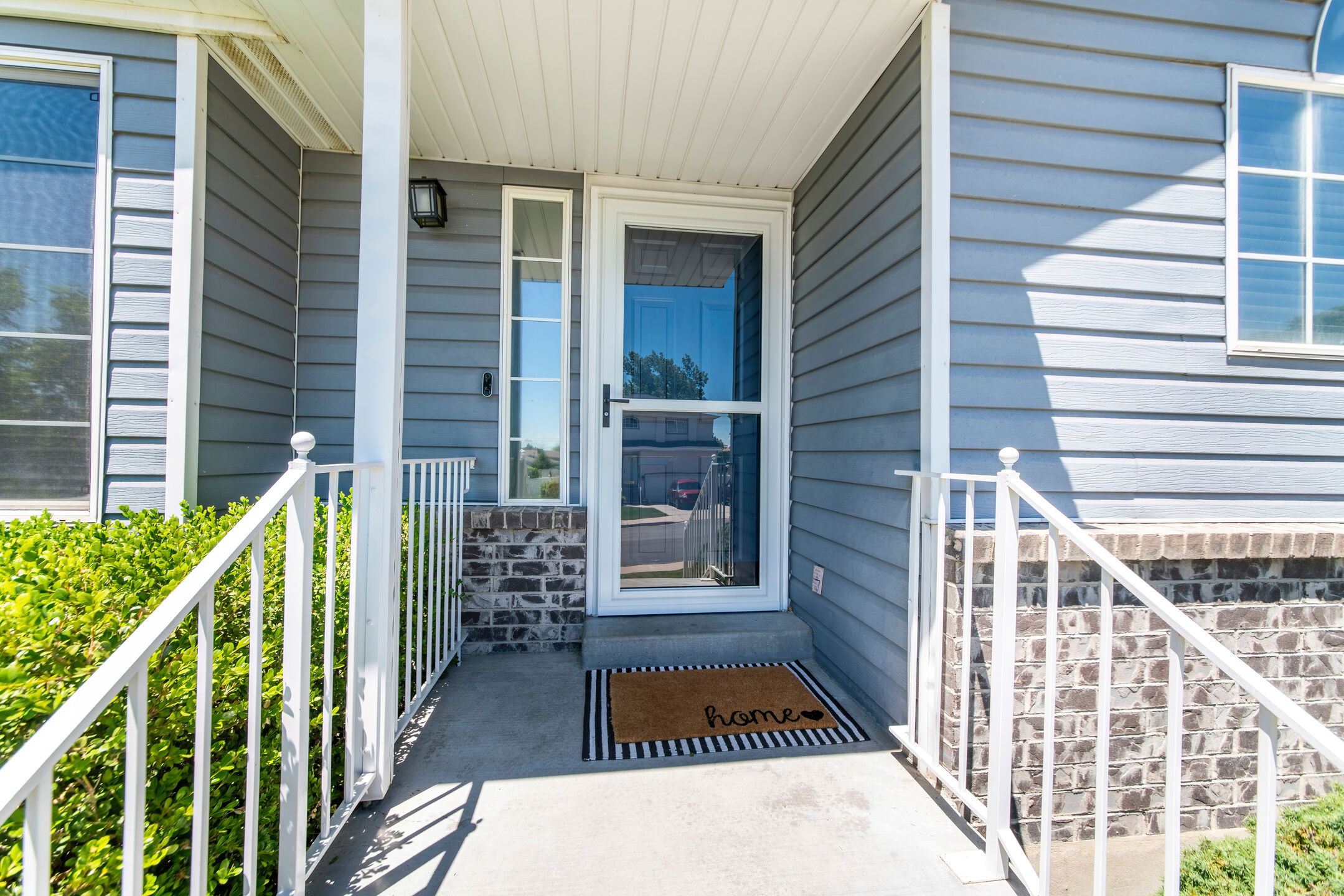
A storm door is a secondary door installed in front of your entry door to add protection from weather, improve ventilation, and boost energy efficiency. Its cost reflects not just the door itself but the material, glass, labor, and any frame work needed to fit it properly. Because storm doors range from simple aluminum models to heavy custom steel units, prices vary widely.
Why Storm Door Pricing Varies So Much
Storm door pricing varies widely because the category spans everything from a $100 DIY kit to a custom door exceeding $1,800. According to Angi, the national average for storm door installation is $435 based on more than 1,200 verified projects, with most homeowners paying between $187 and $684 depending on door material, glass type, and whether old door removal is needed. Understanding this range up front helps you set realistic expectations before you shop. The eight factors in the next section explain exactly what moves your price.
- Wide range: Costs run from about $100 to over $1,800 per door.
- Type and material lead: These two choices drive most of the variation.
- Add-ons matter: Glass upgrades and features raise the total.
- Labor counts: Installation is a meaningful share of the final bill.
8 Storm Door Installation Cost Factors to Know
The eight factors below determine where your storm door installation lands within the typical price range. Weighing each one helps you build an accurate budget and spot opportunities to save. Each factor leads with its cost impact, then explains the details.
1. Door Type and View Style
The door type is one of the biggest cost drivers, since view style determines how much glass the door includes and how it functions. High-view and mid-view doors with smaller glass panels are the most affordable at roughly $150 to $325, while full-view, self-storing, and double doors cost more. Security models and double doors sit at the top of the range, with doubles reaching $600 to $1,100 for the door alone. Choosing a simpler view style is one of the easiest ways to control cost.
- High- and mid-view: The most affordable at about $150 to $325.
- Full-view and self-storing: Mid-range options with more glass.
- Security and double doors: The priciest, with doubles up to $1,100.
- Save here: A simpler view style lowers the door price.
2. Door Material
The material you choose affects both durability and price, making it a major cost factor. Vinyl is the most affordable at roughly $100 to $500, followed by aluminum and composite in the $150 to $600 range, while steel and wood cost more. Steel is the best choice for high-wind or storm-prone areas, and wood offers premium looks at a premium price of up to $1,500. Matching the material to your climate and budget is key.
- Vinyl: The most budget-friendly at $100 to $500.
- Aluminum and composite: Mid-range at $150 to $600.
- Steel: Best for severe weather, at a higher price.
- Wood: Premium appearance up to $1,500.
3. Glass Type
Specialized glass upgrades add to your total, typically up to about $80 per pane for mid- or full-view doors. Low-E glass is the most practical upgrade for energy efficiency, while tempered glass strengthens the door against high winds, and decorative beveled glass boosts curb appeal. Each option adds a modest cost but can improve performance or appearance. Choosing standard glass keeps costs down if upgrades are not a priority.
- Low-E glass: Improves energy efficiency, around $25 to $50.
- Tempered glass: Strengthens against wind, around $50 to $80.
- Beveled glass: Adds decorative appeal, around $50 to $80.
- Standard glass: The most economical choice.
4. Labor
Labor is a significant share of the total, typically running $250 to $450 per door for professional installation. Most door installation contractors charge $40 to $90 per hour, while a handyperson may charge $30 to $40 for simpler jobs. Heavier doors, security features, and frame modifications all increase labor time and cost. A straightforward install on an existing, level frame keeps labor at the lower end.
- Typical labor: About $250 to $450 per door.
- Hourly rates: Contractors charge $40 to $90 per hour.
- Complexity adds cost: Heavy or custom doors take longer to install.
- Simple is cheaper: A level, existing frame reduces labor.
5. Old Door Removal
Removing and disposing of an existing storm door adds a modest but real cost, usually around $50 to $100 if charged separately. Many installers include this in their quote, but it is worth confirming up front. If you are comfortable doing so, removing the old door yourself is an easy way to save. Always clarify who handles removal before signing a contract.
- Typical cost: About $50 to $100 if billed separately.
- Confirm inclusion: Ask whether removal is part of the quote.
- DIY option: Removing the old door yourself saves the fee.
- Clarify early: Settle this detail before work begins.
6. Frame Modifications
Any work needed to fit the door to your opening can raise the cost, especially for custom or oversized doors. Installing a new frame or enlarging the opening for a larger door costs more than using your existing, standard-size frame. Older homes with rot, uneven framing, or non-standard openings often require this extra work. Sticking to a standard door size that fits your current frame is a smart way to save.
- Standard frames save: Using the existing frame avoids extra cost.
- Enlarging costs more: Widening an opening adds labor and materials.
- Older homes: Rot or uneven framing may require correction.
- Standard sizes: Doors are typically 30, 32, 34, or 36 inches wide.
7. Location and Local Codes
Your geographic location affects cost, primarily through local labor rates and building code requirements. Areas with severe weather or strict codes, such as coastal and storm-prone regions, often require more durable materials and specialized labor. These requirements raise both material and installation costs to meet local regulations. Getting quotes from several local pros reveals what is typical in your market.
- Labor rates vary: Regional rates shift the total up or down.
- Code requirements: Severe-weather areas may mandate stronger doors.
- Durable materials: Meeting codes can require pricier materials.
- Compare quotes: Local estimates reveal your market rate.
8. Added Features and Urgency
Extra features and rush timelines both add to your total storm door cost. Retractable screens, protective bars, security hardware, and premium finishes all raise the door price, while needing installation within a day or two can trigger expedited service fees. Planning ahead and choosing only the features you need keeps the cost in check. Scheduling in advance avoids emergency premiums.
- Premium features: Retractable screens and security hardware add cost.
- Rush fees: Fast-turnaround installs may carry a premium.
- Choose wisely: Pick only the features you will use.
- Plan ahead: Scheduling early avoids expedited charges.

How to Save on Storm Door Installation
Saving on storm door installation comes down to smart choices about the door, size, and scope of work. A few simple decisions can meaningfully lower your total without sacrificing quality. The tips below help you stretch your budget.
Smart Ways to Lower Your Cost
The biggest savings come from choosing a standard-size door, keeping your existing frame, and skipping unnecessary upgrades. Small decisions like handling old-door removal yourself also add up. Use the money-saving tips below.
- Pick a standard size: Stick to 30, 32, 34, or 36-inch widths to avoid custom fees.
- Keep your frame: Using the existing frame avoids costly modifications.
- Choose a simpler view: A high-view door costs less than a full-view model.
- Remove the old door: Doing this yourself can save up to $100.
Frequently Asked Questions About Storm Door Installation Cost
Below are quick answers to the questions homeowners ask most about storm door installation cost. Each response leads with the direct answer so you can find what you need fast.
How Much Does It Cost to Install a Storm Door?
Storm door installation costs about $435 on average, with most homeowners paying between $187 and $684 for materials and labor. Basic DIY kits start around $100, while custom doors can exceed $1,800. Your door type, material, and glass choices drive most of the variation.
How Much Does Labor Cost to Install a Storm Door?
Labor to install a storm door typically runs $250 to $450 per door, with contractors charging $40 to $90 per hour. A handyperson may charge less, around $30 to $40 per hour, for a simple install. Heavier doors, security features, and frame work increase the labor cost.
Is It Cheaper to Install a Storm Door Yourself?
Yes, installing a storm door yourself can save on labor, since a DIY kit may cost as little as $100 versus a $435 average for professional installation. However, storm doors are heavy and awkward, and an improper fit can reduce their benefits. DIY is best only for standard-size doors on a level, sound frame.
What Is the Most Affordable Storm Door?
The most affordable storm doors are high-view and mid-view vinyl or aluminum models, which keep both material and door costs low. High-view doors run about $150 to $325 for the door, and vinyl is the cheapest material at $100 to $500. These options protect your entry without premium add-ons.
Do Storm Doors Add Value to a Home?
Yes, a well-installed storm door in good condition can add value by improving curb appeal, security, and insulation. While it may not significantly raise the sale price on its own, it can help attract buyers. A worn or poorly maintained storm door, however, can have the opposite effect.
How Long Do Storm Doors Last?
Storm doors last about 25 years on average, and high-quality, well-maintained doors can last up to 50 years. The material and glass type affect longevity, and repeated exposure to severe weather can shorten lifespan. Regular cleaning and weatherstripping upkeep help a storm door last longer.
Upgrade Your Entry With Quality Overhead Door

Quality Overhead Door is your local expert for storm doors and entry door upgrades, backed by decades of experience helping homeowners protect and enhance their entryways. Our team can help you choose the right storm door type, material, and glass for your climate and budget, then handle a precise, professional installation. As a family-owned business serving Northwest Ohio and Southeast Michigan since 1982, we know exactly how to fit a storm door that stands up to cold winters and strong seasonal weather. To explore storm door options or get a free quote, contact Quality Overhead Door today.